TRAFFIC ALERT: Red Departures lanes are closed for road resurfacing. If you are being dropped off for a Red Side airline, please follow detour signs to the Red Express departures lanes instead.
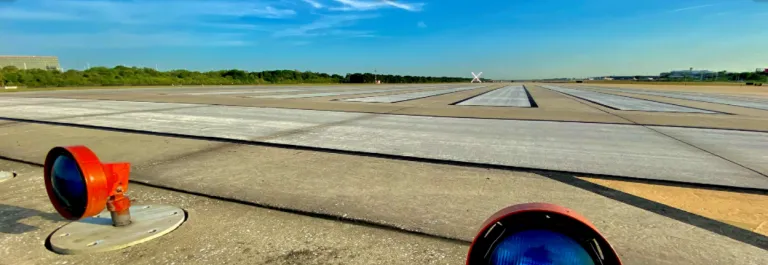
Safety is Tampa International Airport's top priority. Under Federal Aviation Administration requirements, airports must actively manage airfield conditions to reduce risks to aircraft, passengers, and surrounding communities. This includes managing vegetation and minimizing wildlife activity that could interfere with flight operations. These actions are fundamental to meeting FAA safety requirements and ensuring safe, uninterrupted flight activity.
Tampa International Airport, like other airports, faces the reality that wildlife near its runways and facilities present a potential hazard to people and aircraft. Animals on runways or in flight paths, especially birds that may strike aircraft, present a challenge to Airport personnel who work to ensure aviation safety to protect human lives and aircraft.
The Hillsborough County Aviation Authority has continuously worked to mitigate the number of wildlife interactions such as reported bird strikes, which the Federal Aviation Administration and the U.S. Department of Agriculture have shown are on the rise nationwide. The FAA maintains a database of animal strikes on its website. While both mammal and bird species are reported at TPA, high-risk species and groups include coyotes, raptors, wading birds, waterfowl, gulls and flocking birds.
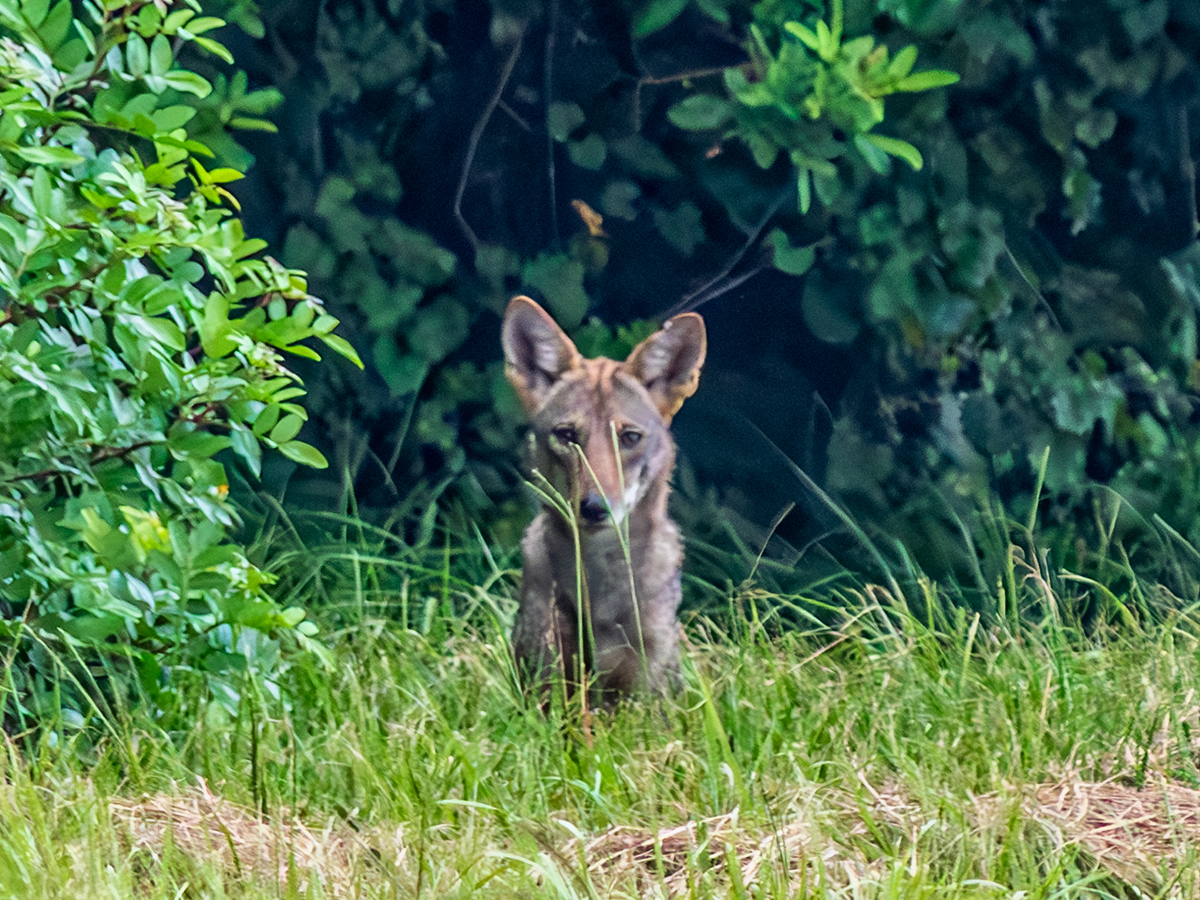
As passenger traffic and the number of flights at TPA have increased, so have reported wildlife strikes on the airfield. The FAA tracks the number of "triggering event" strikes that occur at a facility, including reports with significant damage, multiple animals being struck or an engine ingestion. TPA has seen an increasing number of these triggering events over the past five years. A closer look at the strike records shows that in recent years, almost half of reported wildlife strikes have occurred when the aircraft is at 0 feet elevations (during take-off runs, landing rolls or taxiing), demonstrating a steady presence of wildlife in the Airport Operations Area (AOA). Tree and shrub habitat on the AOA provides food and shelter for multiple hazardous species like coyotes, hawks and flocking birds.
In order to protect the traveling public and prevent potential safety issues from wildlife interactions with aircraft, the Aviation Authority conducted a Wildlife Hazard Assessment and developed a Wildlife Hazard Management Plan that were approved by the FAA. A Wildlife Hazard Management Plan is federally mandated by the FAA as part of TPA’s certification process under 14 CFR Part 139.337, which states in part that the Airport must take action to alleviate wildlife hazards. TPA also must abide by obligations (known as grant assurances) set by the FAA in order to secure federal grant money. The Airport would not be able to operate without meeting these guidelines.
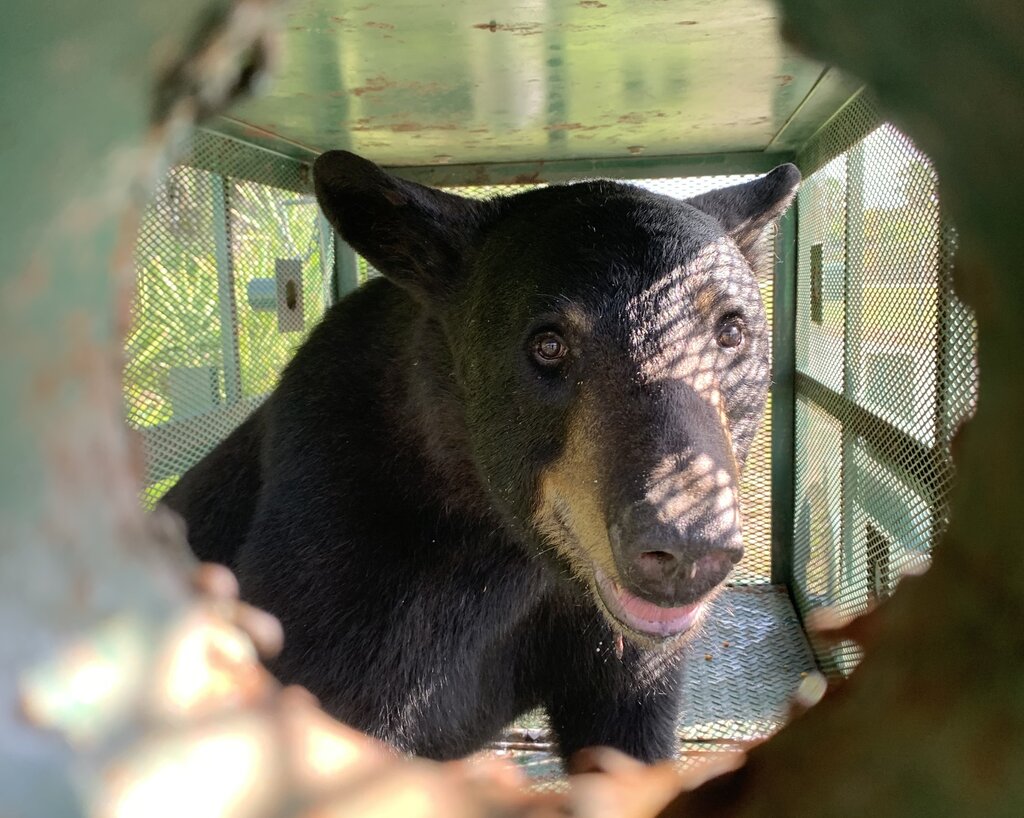
Methods that TPA's Operations team has used in the past include trapping animals for relocation, using raptors to disperse wildlife on the airfield, setting off audio deterrents to scatter flocks from the AOA and other techniques to mitigate bird populations. In addition, the Airport is finishing a major project to upgrade the AOA perimeter fence to exclude wildlife. TPA continues to see new species attracted to the habitat, including a Florida black bear that moved into the AOA in 2023 and had to be trapped and relocated to Ocala National Forest. All of these efforts have been temporary solutions, as wildlife populations continue to expand in the area.
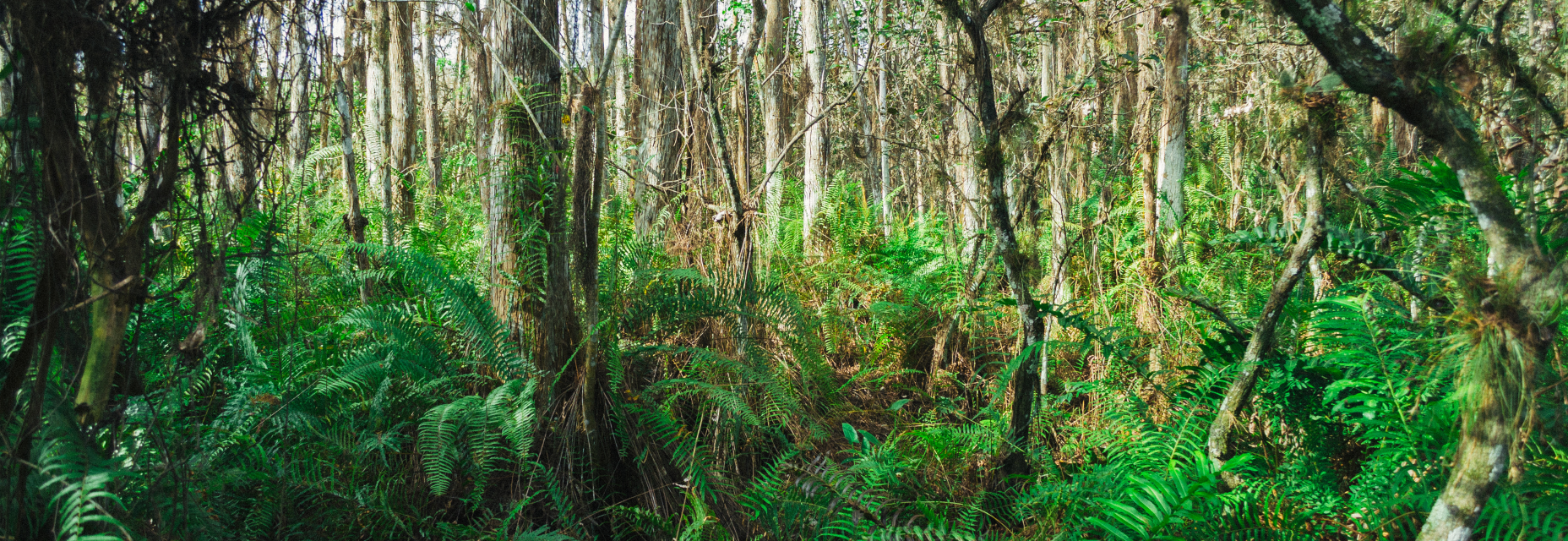
Due to the safety risk posed by wildlife activity adjacent to TPA’s primary runways, the Aviation Authority received approval and a Finding of No Significant Impact (FONSI) from the Federal Aviation Administration on January 21, 2026. Based on this determination, the Aviation Authority’s Board of Directors approved the removal of wildlife-attracting habitat within the Airport Operations Area to create a safer flying environment. The one-year project covers 155 acres of vegetation and is expected to be completed by March 30, 2027.
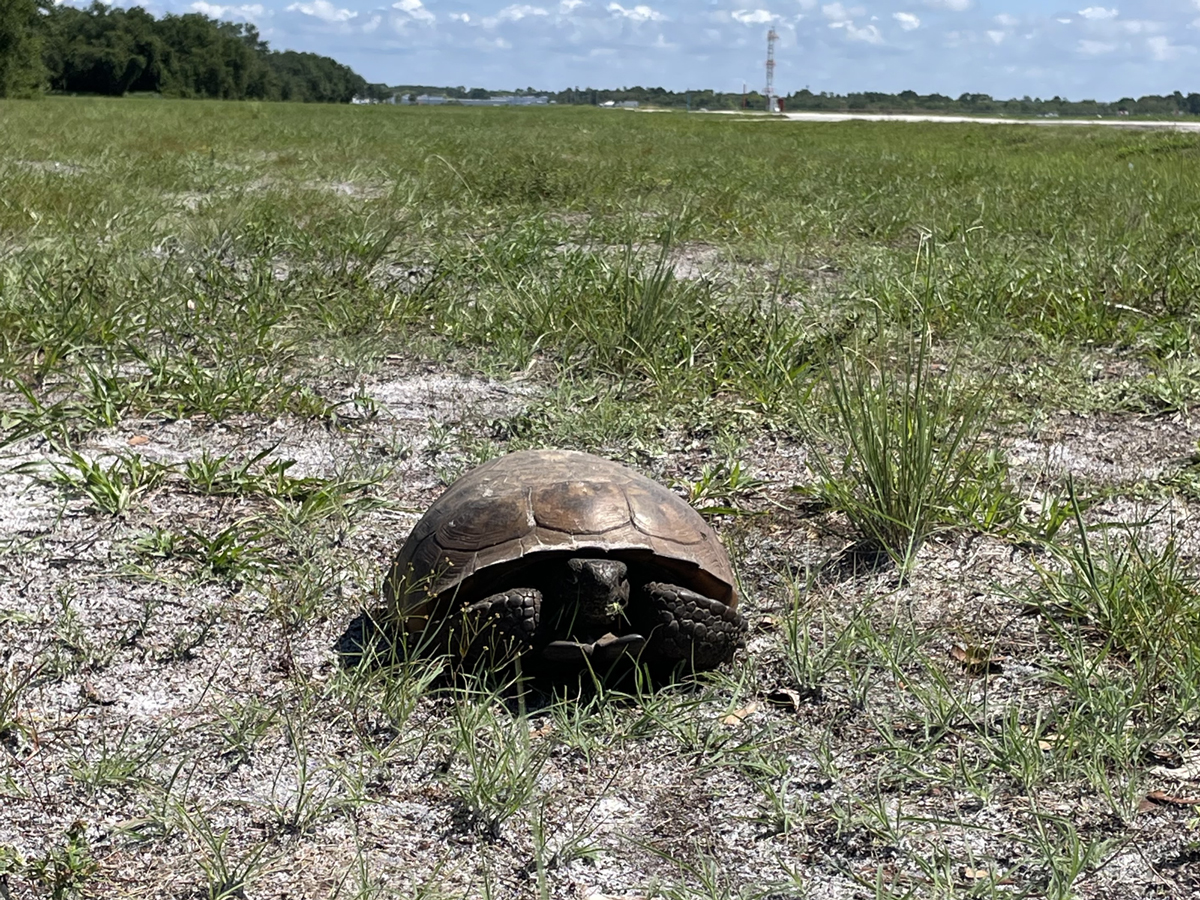
As part of the Capital Improvement Project to reduce wildlife hazards within the limits of the AOA, it is necessary to relocate gopher tortoises prior to the removal of tree and shrub habitat in accordance with Florida Administrative Code Rule 68A-27.003, Florida Endangered and Threatened Species List; Prohibitions. Prior to the habitat removal activities, gopher tortoises will be relocated to a permitted recipient site that will be managed by the Hillsborough County Environmental Lands Acquisition Program.
Comments or questions about this project can be emailed to [email protected]
The Hillsborough County Aviation Authority discussed how to improve safety from wildlife strikes at the Airport.